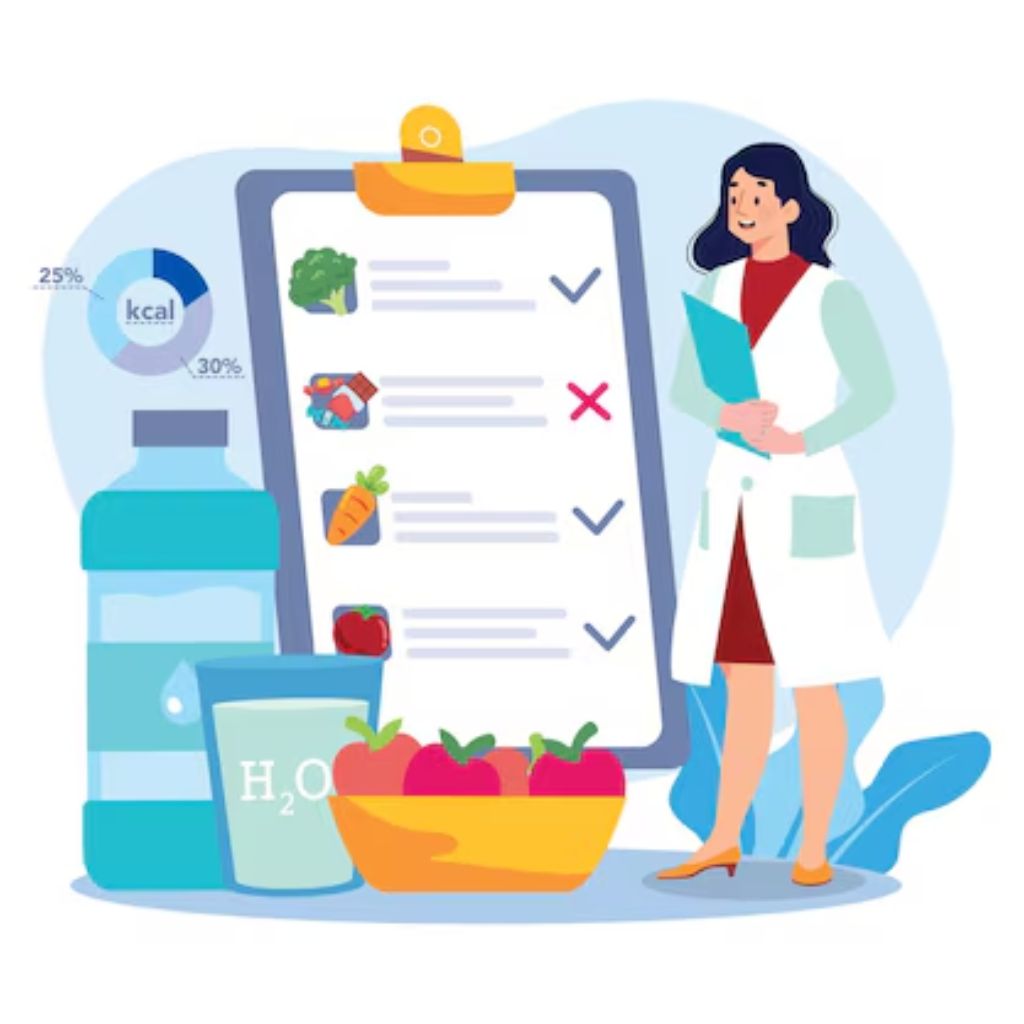
Are you curious about how to become a dietician and turn your passion for healthy living into a meaningful career? In today’s world, where health and wellness are at the center of everyday conversations, dieticians play a crucial role in guiding individuals and communities toward healthier lifestyles. Whether it’s creating personalized nutrition plans, educating the public about food choices, or collaborating with healthcare professionals, dieticians are in demand like never before.
If you’ve ever dreamed of making a difference in people’s lives through nutrition, this career path may be the perfect fit for you. This guide will walk you through everything you need to know about how to become a dietician—from understanding the role to education requirements, skills, certifications, job settings, and growth opportunities.
Understanding the Role of a Dietician
When exploring how to become a dietician, the first step is understanding what dieticians actually do. A dietician isn’t just someone who recommends “healthy foods.” They are trained nutrition professionals who combine science, health, and practical advice to create life-changing impacts.
Key Responsibilities
Dieticians perform a variety of tasks depending on their workplace and area of specialization. Some of their primary responsibilities include:
- Assessing Nutritional Needs: You evaluate dietary habits, health histories, and nutritional goals to create personalized plans.
- Creating Meal Plans: You design balanced meal plans that cater to specific dietary requirements and preferences.
- Educating Clients: You inform clients about nutrition, healthy eating practices, and the importance of balanced diets.
- Monitoring Progress: You track clients’ progress and make adjustments to meal plans based on their needs.
- Collaborating with Healthcare Providers: You work alongside doctors and other health professionals to ensure comprehensive patient care.
Work Settings
Dieticians work in various settings, such as:
- Hospitals: You provide nutritional counseling to patients recovering from illness, surgery, or chronic conditions.
- Clinics: You offer one-on-one consultations in outpatient clinics focused on specific health challenges like diabetes or obesity.
- Schools: You develop nutrition programs to promote healthy eating habits among students and staff.
- Community Organizations: You participate in programs aimed at improving community health through nutrition education.
- Private Practice: You establish your own practice, providing tailored nutrition advice and support to clients.
Understanding the roles and responsibilities of dieticians clarifies the diverse opportunities in this field. You can make a significant impact on the health and well-being of individuals and communities through your expertise in nutrition.
Dieticians can work in a wide range of settings, which makes the career flexible and diverse:
| Workplace | Role in Nutrition |
|---|---|
| Hospitals | Provide nutritional counseling to patients recovering from illness or surgery. |
| Clinics | Offer one-on-one consultations for health conditions like obesity or diabetes. |
| Schools | Develop nutrition programs to encourage healthy eating in students. |
| Community Programs | Lead outreach programs and public health campaigns. |
| Private Practice | Run independent clinics providing personalized nutrition coaching. |
| Corporate Wellness | Advise companies on employee health and wellness programs. |
By knowing these opportunities, you’ll see why learning how to become a dietician is such a valuable and rewarding career move.
Educational Requirements for Becoming a Dietician
Education is the foundation when learning how to become a dietician. This career requires formal study in nutrition science, as well as practical training in real-world healthcare environments.
Bachelor’s Degree
A bachelor’s degree in dietetics, nutrition, or a related field forms the foundation for your dietician career. This typically involves completing coursework in subjects such as food science, biology, chemistry, and human nutrition. Many programs also include practical experiences to apply what you learn in real-world settings. Accreditation from a recognized body, like the Accreditation Council for Education in Nutrition and Dietetics (ACEND), enhances the quality of your education, increasing employment opportunities.
Internship or Practicum
Completing an internship or a practicum is crucial for gaining hands-on experience in dietetics. An accredited dietetic internship provides you with supervised practice in various settings, including hospitals, community health programs, and outpatient clinics. Typically, these internships last about 6 to 12 months and require a minimum of 1,200 hours of supervised practice. This experience allows you to refine your skills, learn how to evaluate nutritional needs, and interact with clients effectively. Securing a position in an internship program can be competitive, emphasizing the need for strong academic performance and experience.
Comparison: Education Pathways
| Pathway | Requirements | Outcome |
|---|---|---|
| Bachelor’s in Dietetics | 4 years of coursework + lab work | Eligible for internships and exams |
| Master’s in Nutrition (Optional but Increasingly Preferred) | 1–2 years beyond bachelor’s | Higher employability, research or teaching opportunities |
| Dietetic Internship | 1,200 hours supervised practice | Required for RDN credential |
Certification and Licensing: Becoming a Recognized Professional
Certification and licensing play crucial roles in your journey to becoming a dietician. They ensure you meet professional standards and are qualified to provide nutritional advice.
Registered Dietician Nutritionist (RDN)
Becoming a Registered Dietician Nutritionist (RDN) requires specific steps. First, you must complete a bachelor’s degree in dietetics or a related field from an accredited institution. Next, you’ll finish an accredited dietetic internship, which usually consists of 1,200 supervised practice hours. After gaining this experience, you must pass the Commission on Dietetic Registration (CDR) examination. Earning the RDN credential demonstrates your competence in nutrition and opens doors to various employment opportunities like hospitals, schools, and private practice.
Maintaining your RDN status involves ongoing professional development. You’ll need to complete at least 75 continuing education credits every five years to stay current in nutrition science and practice. This commitment reflects the dynamic nature of the field and ensures you’re equipped to help clients achieve their health goals effectively.
State Licensure
State licensure is another critical aspect of becoming a dietician. Each state has specific requirements for licensure, and many require you to hold the RDN credential before applying. Some states mandate additional examinations or the completion of state-specific coursework focused on local dietary guidelines and ethics.
Many U.S. states also require dieticians to be licensed separately. Licensure rules vary, but most involve holding the RDN credential and completing state-specific training or exams.
| Certification | Required? | Purpose |
|---|---|---|
| RDN Credential | Yes, for most jobs | Establishes professional competence |
| State Licensure | Varies by state | Grants legal authority to practice |
| Board Certification in Specialties (e.g., pediatrics, oncology) | Optional | Increases expertise and career opportunities |
Licensure protects the public by ensuring that only qualified individuals provide nutritional counseling. It grants you the legal authority to practice as a dietician in your state, helping you avoid legal complications. Also, having a state license enhances your credibility and may be necessary for consultations in healthcare settings. Ensure you research your state’s requirements and stay compliant to serve your community effectively as a licensed dietician.
Developing Core Skills to Succeed as a Dietician
Developing skills and expertise as a dietician enhances your ability to make a significant impact on clients’ lives. This journey requires a focused approach to key competencies.
Communication Skills
Communication skills play a vital role in becoming a successful dietician. You’ll convey nutritional information in a clear and engaging manner, ensuring clients understand their dietary needs. Use active listening techniques to address concerns and questions effectively. Building rapport with clients fosters trust, paving the way for successful partnerships. Additionally, creating informative materials, such as visual aids or handouts, allows clients to grasp essential concepts easily. Public speaking skills also contribute, enabling you to educate larger audiences in workshops or community programs. Mastering these skills makes a difference in how you present information and nurture lasting client relationships.
Analytical Skills
Analytical skills are crucial for dieticians as they assess clients’ nutritional needs. You’ll evaluate dietary habits and health conditions to create tailored meal plans. This involves interpreting data from food diaries, lab results, and other assessments. Identifying patterns in clients’ behaviors guides you in recommending optimal dietary changes. Problem-solving abilities come into play when addressing challenges, such as food preferences or specific health concerns. You’ll apply knowledge from various sources, including scientific research and dietary guidelines, to inform your decisions. Developing strong analytical skills allows you to provide precise and effective nutrition advice, enhancing client outcomes.
Gaining Experience: The Practical Side of Becoming a Dietician
Gaining experience plays a vital role in your journey to become a dietician. Practical exposure helps you apply theoretical knowledge in real-world situations, providing insights that enhance your skills and understanding of nutrition.
Volunteer Opportunities
Volunteer opportunities offer hands-on experiences that are invaluable for aspiring dieticians. You can find positions in health-focused organizations, community health centers, or food banks, where you assist with nutritional programs or outreach initiatives. Engaging in these roles allows you to network with professionals, gain practical insights, and deepen your understanding of community nutrition needs. Plus, volunteering adds a unique element to your resume, showcasing your commitment and passion for the field.
Entry-Level Positions
Entry-level positions can kickstart your career as a dietician, helping you gain essential experience right after graduation. Dietetic assistants or nutrition aides typically handle food service tasks, assist in meal planning, and support dieticians in client assessments. Working in these roles allows you to develop skills in managing dietary programs and understanding client interactions. Many employers view these positions as stepping stones, often leading to more advanced roles in dietetics. Seek out internships or part-time opportunities during your studies, as they reinforce your knowledge and prepare you for future certifications and licensure.
Networking and Professional Development
Networking and professional development play crucial roles in advancing your career as a dietician. Connecting with peers, mentors, and industry leaders helps you stay informed about the latest trends and opportunities within the field.
Joining Professional Organizations
Joining professional organizations enhances your connections and resources as a dietician. Organizations like the Academy of Nutrition and Dietetics offer valuable networking opportunities, access to conferences, and a wealth of educational materials. Membership often unlocks access to exclusive job boards, webinars, and professional journals. Engaging in local chapters allows you to meet fellow dieticians in your community, share experiences, and participate in workshops. Establishing connections with professionals in your field is key to developing long-lasting relationships that can support your career growth.
Attending Conferences
Attending conferences brings incredible benefits for you as a dietician. Events like the Food & Nutrition Conference & Expo serve as platforms to learn from industry experts, discover new research, and explore innovative practices. Conferences often feature keynote speakers, panel discussions, and interactive sessions that inspire and motivate. Networking events during these gatherings allow you to meet potential employers and colleagues who share your passion for nutrition. Participating in conferences also enhances your credentials. Many organizations offer continuing education credits for attendance, helping you maintain certifications while expanding your knowledge. Embracing these opportunities strengthens your professional development and enriches your experience in the nutrition field.
Career Outlook: Why Becoming a Dietician is a Smart Choice
The demand for dieticians is expected to grow by 7% between 2023 and 2032, faster than the average for many careers. The rise in chronic diseases like diabetes and obesity, coupled with increasing health awareness, is fueling this demand.
Trending Specializations in dietetics include:
- Sports nutrition for athletes.
- Pediatric nutrition for children’s health.
- Clinical nutrition for hospital patients.
- Plant-based diet planning.
- Corporate wellness and workplace nutrition programs.
Conclusion
If you’ve been wondering how to become a dietician, this career guide should give you clarity and confidence. From educational requirements to certifications, hands-on experience, and networking, each step prepares you for a fulfilling profession where you can make a lasting impact.
By honing your skills and gaining valuable experience, you’ll be equipped to guide clients toward healthier eating habits and improved well-being. Remember to embrace networking and professional development as you progress in your career.
This path not only enriches your knowledge but also connects you with like-minded individuals who share your passion for nutrition. Get ready to inspire others and transform lives through the power of food!
Frequently Asked Questions
What is the role of a dietician?
Dieticians assess nutritional needs, create personalized meal plans, educate clients on healthy eating, monitor progress, and collaborate with healthcare providers. They play a crucial role in promoting wellness and addressing dietary concerns.
What education is required to become a dietician?
To become a dietician, you need a bachelor’s degree in dietetics, nutrition, or a related field. Essential coursework includes food science, biology, and human nutrition, along with an accredited internship for practical experience.
What is the significance of certification and licensing for dieticians?
Certification, such as becoming a Registered Dietician Nutritionist (RDN), is crucial for credibility. It requires completing a degree, an accredited internship, and passing the CDR examination. State licensure is also important and varies by state.
How can I gain experience as an aspiring dietician?
You can gain experience through volunteer work in health organizations, community health centers, or food banks. Entry-level positions like dietetic assistants or nutrition aides help develop essential skills while serving as a bridge to advanced roles.
Why is networking important for dieticians?
Networking helps dieticians stay informed about industry trends, find job opportunities, and connect with mentors. Joining professional organizations and attending conferences can enhance knowledge and foster professional growth in the nutrition field.