How Much Protein Do You Really Need? A Practical Guide
How much protein you need per day for muscle gain, fat loss and healthy ageing, how to split it across meals, and easy vegetarian sources.
Protein is the nutrient most people under-eat, especially on vegetarian diets. Getting it right makes fat loss easier, muscle gain faster and meals more filling. Here is how much you need and how to get it without living on chicken breast.
How much protein per day?
Your target depends on your body weight and what you’re doing:
- Mostly inactive adults: 0.8–1.0 g per kg of body weight. 0.8 g/kg is the official RDA.
- Active people and endurance athletes: 1.2–1.6 g/kg.
- Building muscle with strength training: 1.6–2.2 g/kg.
- Losing fat while training: around 1.8–2.2 g/kg, to help protect muscle in a calorie deficit.
- Adults over 65: at least 1.0–1.2 g/kg to slow age-related muscle loss.
For a 70 kg person building muscle, that’s roughly 112–154 g a day. Use our protein intake calculator to get your exact number.
Why spreading it out helps
Your body uses protein best in regular doses. Aim for 3–5 meals with about 20–40 g each instead of one huge serving at dinner. A simple rule: build every meal around a protein source first, then add carbs and vegetables.
Easy protein sources (approximate)
| Food | Serving | Protein |
|---|---|---|
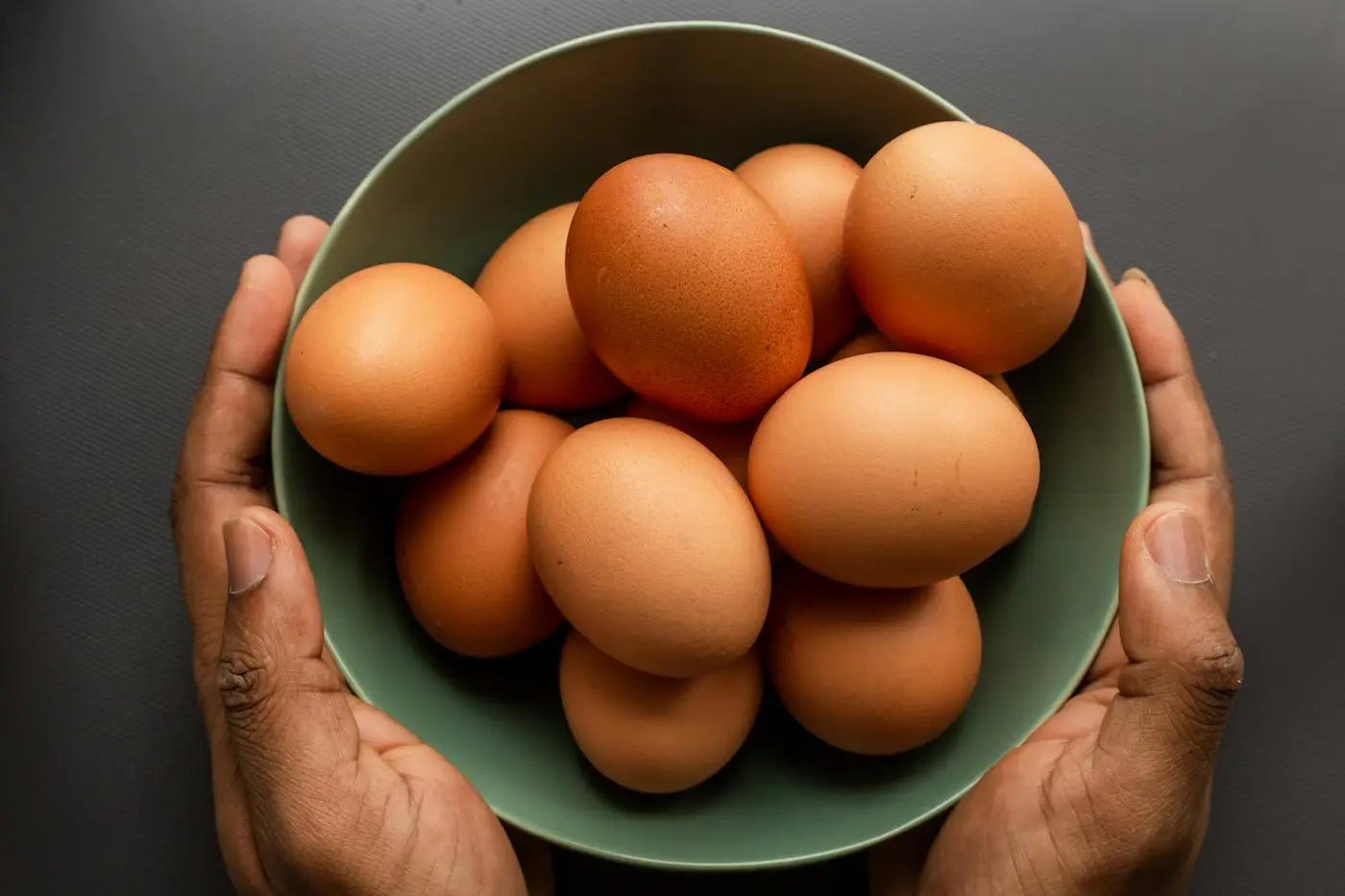
| Eggs | 1 large | ~6 g |
| Paneer | 100 g | ~18 g |
| Greek yogurt / hung curd | 200 g | ~20 g |
| Cooked lentils (dal) | 1 cup, ~200 g | ~14–18 g |
| Chicken breast, cooked | 100 g | ~31 g |
| Tofu, firm | 100 g | ~12–17 g |
| Whey protein | 1 scoop | ~24 g |
Vegetarian? Combine sources
Dal alone won’t get most active people to their target. Combine dairy, legumes and soy across the day:
- Breakfast: paneer bhurji or besan cheela with curd.
- Lunch: dal or rajma with a side of curd or sprouts.
- Snack: roasted chana, Greek yogurt or a protein shake.
- Dinner: tofu or paneer with vegetables and roti.
Is high protein safe?
For healthy adults, intakes up to about 2 g/kg have not been shown to harm kidney function. If you have kidney disease or another medical condition, follow your doctor’s advice before changing your diet.
The bottom line
Pick a target from the ranges above, spread it over your meals, and track it for two weeks. Most people are surprised by how far off they were. If you want a plan built around your food and culture, our custom diet plans do exactly that.
#protein #musclegain #vegetarian
Written by
PeriodicFit Team
Coaches and dietitians writing practical, science-backed guides on training and nutrition.
This article is for general information and is not medical advice. Speak with a qualified doctor before making changes to your diet or exercise, especially if you have a medical condition. Read our disclaimer.