
How the meal plan generator works
You give it three things: a daily calorie target, your diet type and your preferred cuisine. It then:
- Splits your calories across your meals. With four meals, that’s roughly 25% breakfast, 35% lunch, 10% snack and 30% dinner.
- Picks one meal per slot from a library of home-style Indian and global dishes that fit your diet. Vegan meals are allowed on every plan, vegetarian meals on vegetarian and above, and so on.
- Scales each meal in quarter servings to get close to that slot’s calories.
- Adds up calories, protein, carbs and fats for the day.
Every plan has a share link that rebuilds the exact same day, so you can send it to a friend or save it for later.
Getting a good plan from it
- Start with the right calories. If you don’t know your number, use the calorie calculator first.
- Check protein. A good target for most active people is 1.6–2.2 g per kg of body weight. If your plan is short, swap in a higher-protein meal or add curd, paneer, eggs or a protein shake.
- Shuffle for variety. Eating the same three meals every day is fine for a while, but rotating dishes gives you more fibre and micronutrients.
- Cook with measured oil. One extra tablespoon of oil adds about 120 kcal. That’s the most common reason home-cooked plans “don’t work”.
Why Indian and vegetarian options matter
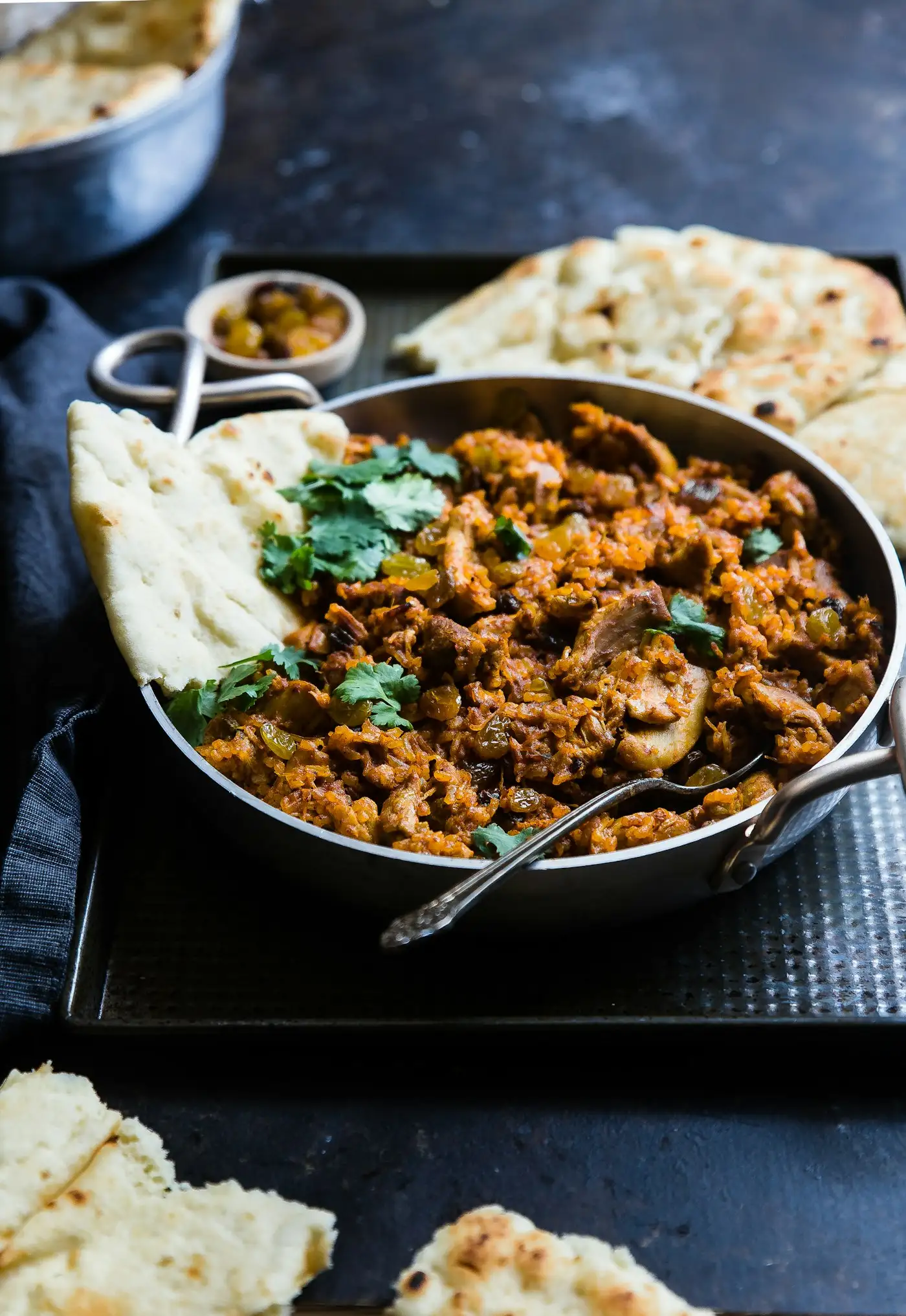
Many meal planners online assume chicken, rice and broccoli. That doesn’t match how most of our clients eat. Dal, roti, sabzi, idli, poha and paneer can absolutely fit a fat-loss or muscle-gain plan when portions and protein are planned. Culture-friendly food is the plan you’ll stick to.
Limitations
This is a sample day, not medical nutrition therapy. Values are approximate. If you have a medical condition, are pregnant or breastfeeding, or have a history of disordered eating, please work with a qualified dietitian. Our dietitians can turn this sample into a full plan built around your reports, routine and taste.