
How the macro calculator works
- Calories. We estimate your maintenance calories with the Mifflin-St Jeor equation and your activity level, then adjust for your goal: about 20% less for fat loss, maintenance as is, or 10% more for muscle gain.
- Protein first. Protein is set per kilogram of body weight: 2.0 g/kg for fat loss, 1.6 g/kg for maintenance and 1.8 g/kg for muscle gain. These sit inside the 1.6–2.2 g/kg range supported by sports nutrition research.
- Fats next. Fats are set as a share of calories (30% balanced, 40% lower-carb, 20% higher-carb), with a floor of 0.6 g/kg.
- Carbs fill the rest. Whatever calories remain become carbohydrates, your main fuel for training.
Choosing a diet style
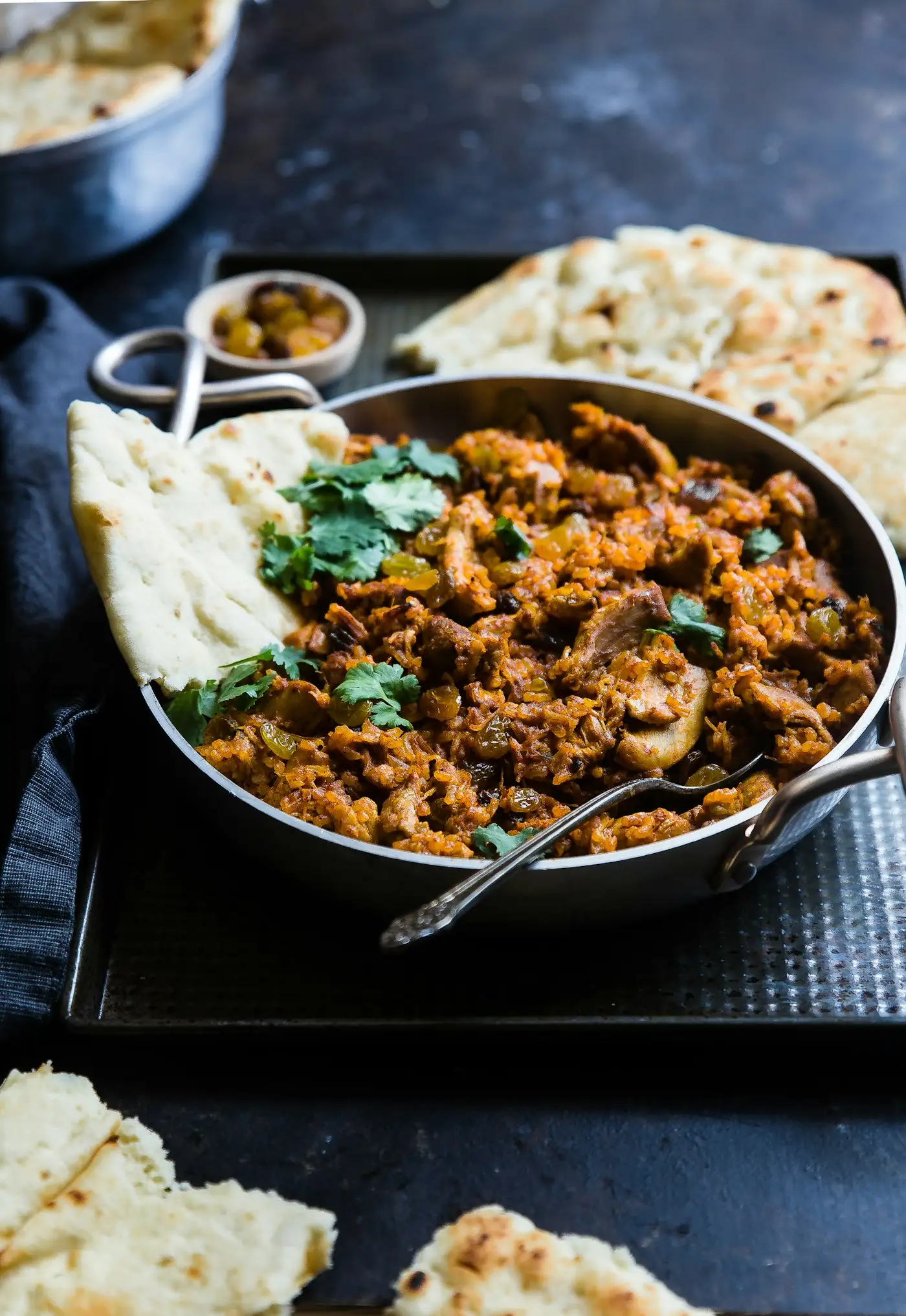
- Balanced suits most people and most cuisines, including typical Indian meals.
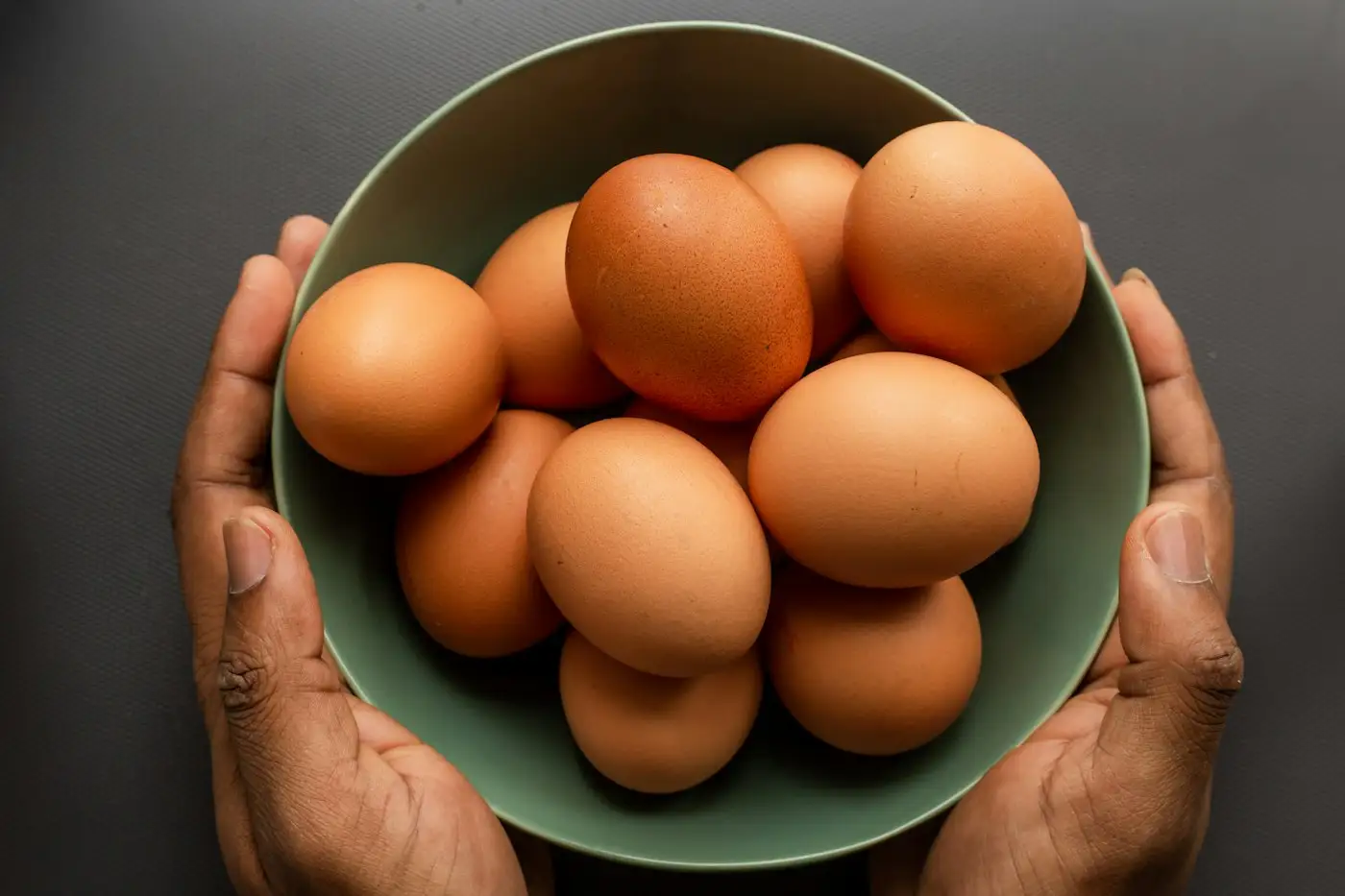
- Lower carb can help if you prefer eggs, paneer, nuts and fattier foods and feel better with fewer starches.
- Higher carb is for athletes and people training hard most days, who need more fuel.
All three styles work for fat loss and muscle gain when calories and protein are on point.
Hitting your macros with real food
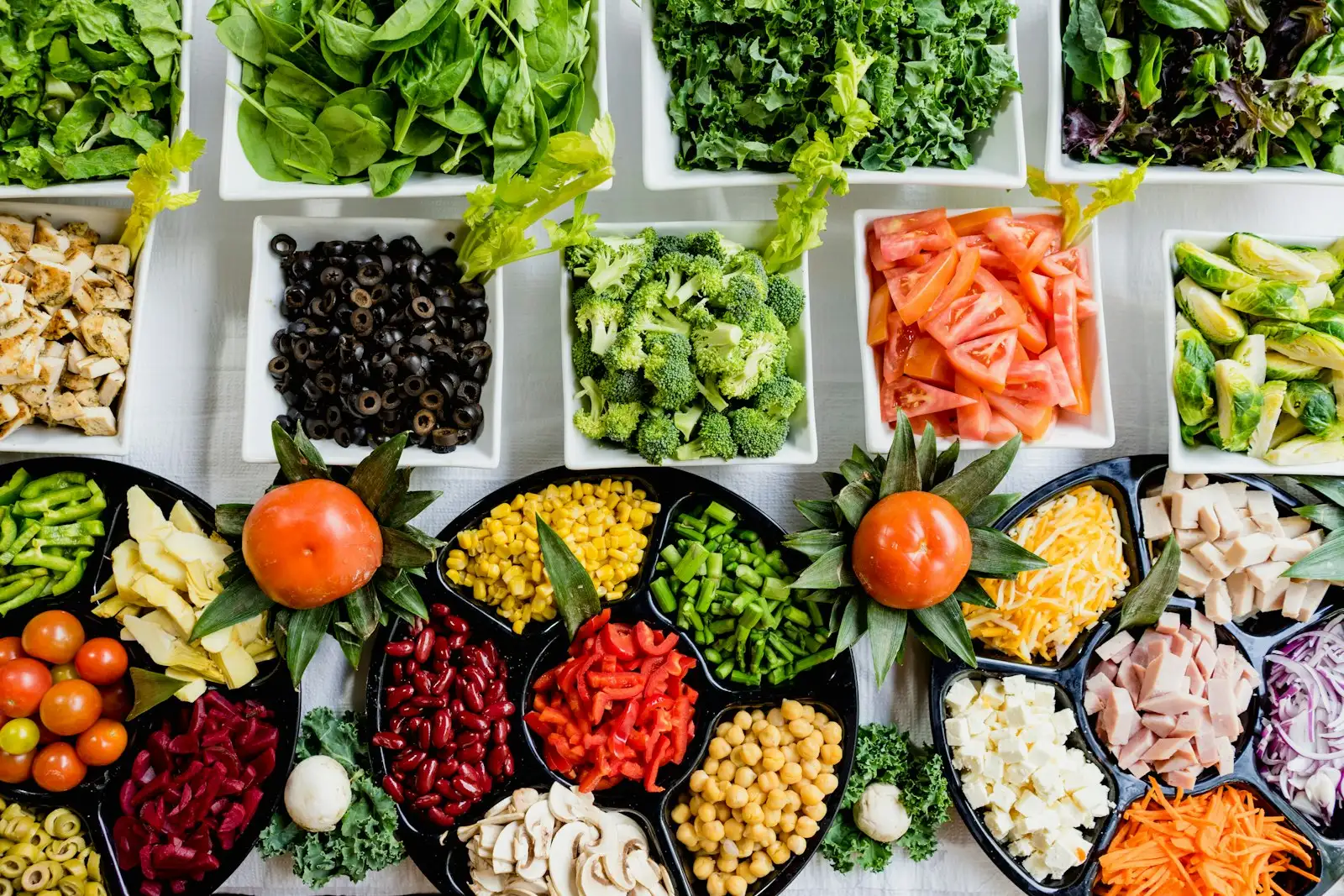
- Protein: dal, chana, rajma, paneer, curd, Greek yogurt, eggs, chicken, fish, tofu, soy chunks, whey.
- Carbs: rice, roti, oats, poha, potatoes, fruit, millets.
- Fats: nuts, seeds, ghee, oils, cheese, avocado.
Spread protein across 3–5 meals. The per-meal line under your result shows a simple target for each.
Want this turned into meals? Use the meal plan generator, or let our diet plan team build a plan around foods you enjoy.
Limitations
These targets are for healthy adults. People with kidney disease, diabetes or other medical conditions should get personalised advice from a doctor or dietitian before changing their protein or carb intake.